International Semester · 100% English
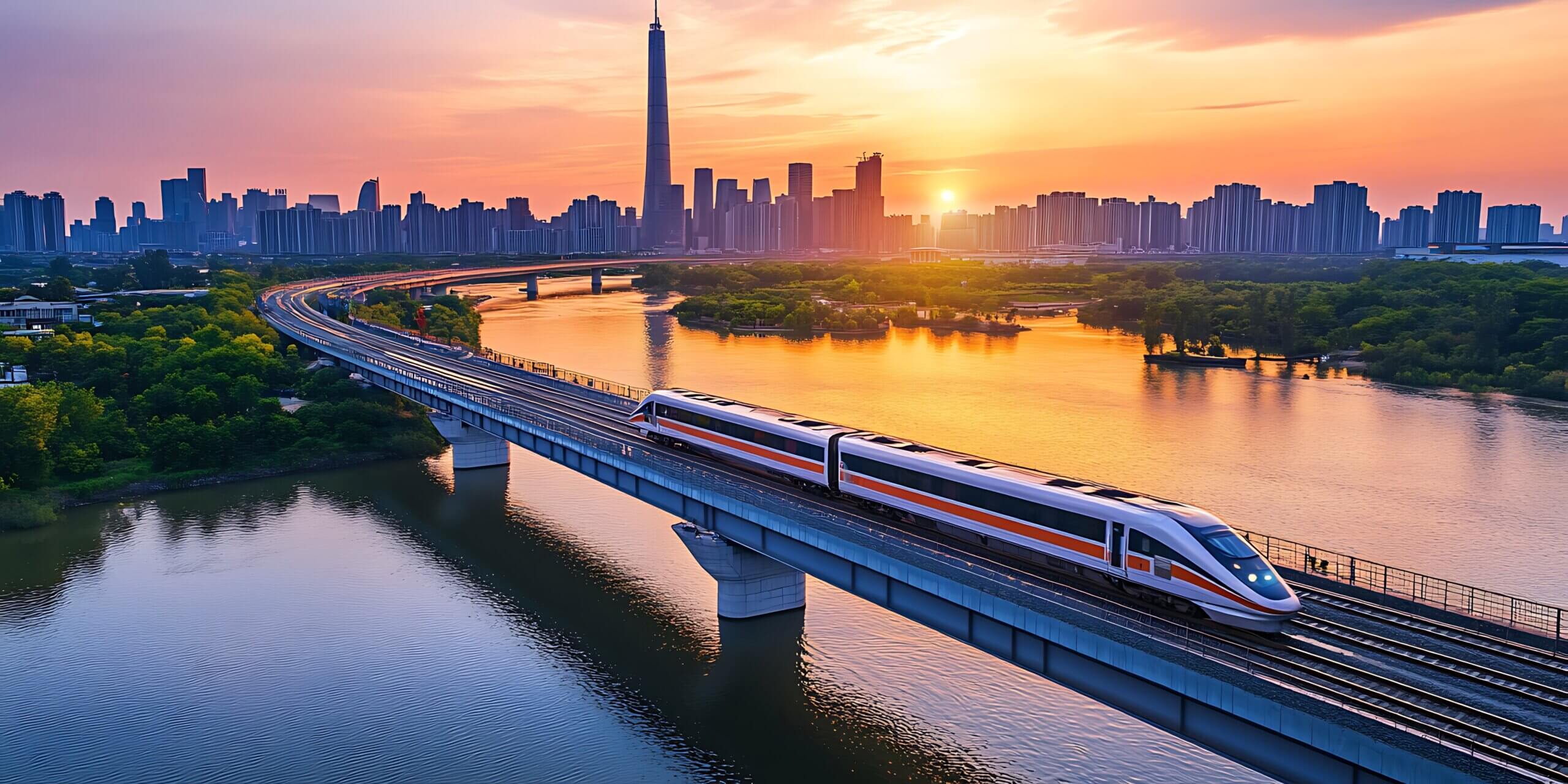

A systems-driven semester focused on transport and urban infrastructures: how cities move, how networks operate, and how engineering decisions are guided by performance, data, and life-cycle thinking. You will combine technical foundations, design methods, and an integrated project, with an optional International Summer School for a deeper international and project-based experience.
· Students with at least 3 years of higher education in Civil Engineering or a related field
· Programme taught in English
· Available as part of the MSc BEI pathway and open to exchange students (partner institutions)
· UE1 Infrastructure Systems — 45.0 h · 4 ECTS
· UE2 Planning and Design of Transportation Infrastructures — 51.0 h · 4 ECTS
· UE3 Energy and Communication Infrastructures — 45.0 h · 4 ECTS
· UE4 Water and Sanitation — 45.0 h · 4 ECTS
· UE5 Infrastructure Design Processes and Methods — 48.0 h · 4 ECTS
· UE6 Integrated Design Project — 42.0 h · 5 ECTS
· UE7 International Summer School (Elective) — 40.0 h · 5 ECTS
Lectures, guided sessions, workshops, and project studio. Each module must be validated separately. Exams graded 0–20; validation requires an average ≥10/20 in the module; equal weight within a module.
Module learning goals
Understand cities as interconnected infrastructure systems and learn how governance, life-cycles, and performance shape investment and design choices.
1.1. Funding and Governance — 9.0 h
Expected Learning Outcomes
· Identify key actors and delivery models for infrastructure projects
· Explain how governance influences design choices and project outcomes Content Funding mechanisms, contracting logic, stakeholder roles, and decision pathways in infrastructure delivery.
1.2. Infrastructure Life-Cycles — 9.0 h
Expected Learning Outcomes
· Describe an infrastructure life-cycle from planning to operation
· Recognise life-cycle drivers for maintenance and renewal strategies Content Life-cycle stages, cost and performance drivers, maintenance and renewal logic for long-term assets.
1.3. Introduction to Sustainable Infrastructure — 9.0 h
Expected Learning Outcomes
· Define sustainability objectives in infrastructure projects
· Translate sustainability goals into design requirements Content Sustainability frameworks, performance targets, environmental constraints, and practical trade-offs.
1.4. Smart Cities — 9.0 h
Expected Learning Outcomes
· Explain how data and sensing support urban infrastructure management
· Identify opportunities and limits of “smart” approaches Content Urban data, sensors, digital platforms, and how they improve planning, operation, and resilience.
1.5. The city as a system — 9.0 h
Expected Learning Outcomes
· Map interactions between transport, energy, water, and communication networks
· Anticipate cascading impacts across urban systems Content Systems thinking, interdependencies, vulnerabilities, and integrated planning at city scale.
Module learning goals
Design transport infrastructure with a multimodal mindset, balancing capacity, safety, geometry, and integration into urban environments.
2.1. Bicycle and Pedestrian Infrastructure — 6.0 h
Expected Learning Outcomes
· Recognise design principles for active mobility networks
· Propose safe and continuous walking/cycling layouts Content Active mobility design elements, safety-by-design, continuity, interfaces, and urban insertion.
2.2. Multimodality — 6.0 h
Expected Learning Outcomes
· Explain how multimodal systems improve network performance
· Identify design constraints at interchanges and hubs Content Intermodality principles, hub design logic, passenger flows, and network connectivity.
2.3. Railway Design — 9.0 h
Expected Learning Outcomes
· Describe the key parameters driving rail alignment and design
· Recognise basic rail infrastructure components and constraints Content Alignment logic, constraints, interfaces, and operational requirements for rail corridors.
2.4. Road Design including basic engineering structures for crossings — 21.0 h
Expected Learning Outcomes
· Apply core road geometry principles to a design case
· Integrate crossing structures constraints into road design choices Content Horizontal/vertical alignment, cross-sections, junction logic, and integration of crossings/structures.
2.5. Traffic Analysis and Planning — 9.0 h
Expected Learning Outcomes
· Interpret traffic data to support design decisions
· Link capacity and level of service to geometry and operations Content Traffic data, demand logic, performance indicators, and design criteria.
Module learning goals
Understand the backbone networks that enable cities to function, and how to coordinate them in infrastructure projects.
3.1. Communication Networks — 9.0 h
Expected Learning Outcomes
· Identify key communication infrastructure components
· Explain basic deployment and integration constraints Content Network basics, deployment logic, reliability and continuity, interfaces with other utilities.
3.2. District heating systems — 9.0 h
Expected Learning Outcomes
· Describe district heating principles and use cases
· Recognise key design and operation constraints Content System components, distribution logic, energy sources, operational performance.
3.3. Energy Transformation Facilities — 9.0 h
Expected Learning Outcomes
· Explain the role of transformation facilities in energy systems
· Identify siting and safety constraints Content Substations and conversion facilities, operational constraints, interfaces and risk basics.
3.4. Gaz Distribution — 9.0 h
Expected Learning Outcomes
· Describe gas distribution networks and their constraints
· Recognise safety and regulatory drivers affecting design Content Network structure, pressure levels, safety considerations, coordination with urban works.
Power Grids — 9.0 h
Expected Learning Outcomes
· Identify the main components of power distribution grids
· Explain resilience drivers and typical constraints in urban projects Content Grid architecture, capacity and reliability logic, interfaces with transport and urban planning.
Module learning goals
Build essential literacy in urban water services: production, distribution, stormwater, wastewater, and environmental constraints.
4.1. Drinking Water Production and Distribution — 9.0 h
Expected Learning Outcomes
· Describe the main steps from production to distribution
· Recognise network performance drivers and risks Content Production basics, distribution logic, service levels, reliability and quality considerations.
4.2. Urban Storm Water Management — 9.0 h
Expected Learning Outcomes
· Explain rainfall-runoff mechanisms in urban areas
· Identify stormwater control strategies at system level Content Runoff, drainage logic, storage/infiltration concepts, and integrated stormwater strategies.
4.3. Waste Management — 9.0 h
Expected Learning Outcomes
· Describe key waste streams and management logics
· Recognise infrastructure interfaces and constraints Content Waste chain basics, collection/treatment logic, interfaces with city services and planning.
4.4. Waste Water Treatment — 9.0 h
Expected Learning Outcomes
· Identify the main stages of wastewater treatment
· Recognise performance and compliance drivers Content Treatment stages, quality targets, operational constraints and process basics.
4.5. Water Issues and Environmental Legislation — 9.0 h
Expected Learning Outcomes
· Identify major environmental and regulatory constraints affecting projects
· Translate compliance needs into project requirements Content Key regulatory ideas, environmental constraints, permitting logic and project implications.
Module learning goals
Develop the methods that make infrastructure projects deliverable: digital workflows, coordination, environmental information, GIS, and life-cycle cost thinking.
5.1. Building Information Modelling and Management — 12.0 h
Expected Learning Outcomes
· Explain BIM uses for infrastructure projects
· Organise information requirements and coordination routines Content BIM concepts, information management, coordination logic and deliverables.
Design Project Management — 9.0 h
Expected Learning Outcomes
· Structure a design phase and manage interfaces
· Identify risks linked to scope, schedule and stakeholders Content Design management routines, milestones, interface control and decision gates.
5.2. Environmental Information Systems — 9.0 h
Expected Learning Outcomes
· Identify environmental datasets relevant to design decisions
· Use environmental information to justify project choices Content Environmental data types, indicators, constraints mapping and reporting logic.
5.3. Geographical Information Systems — 9.0 h
Expected Learning Outcomes
· Understand how GIS supports corridor and network projects
· Produce simple spatial analyses to inform design Content GIS foundations, mapping, spatial reasoning, and project-based applications.
5.4. Life-cycle and cost analysis — 9.0 h
Expected Learning Outcomes
· Explain life-cycle cost logic for infrastructure decision-making
· Compare options using cost/performance reasoning Content Life-cycle cost principles, option comparison, decision support and trade-offs.
Module learning goals
Apply the full semester toolkit to an integrated case and produce professional deliverables.
6.1. Integrated Design Project TDS — 30.0 h
Expected Learning Outcomes
· Deliver a coherent infrastructure concept with documented assumptions
· Produce a structured report and presentation aligned with professional standards Content Project framing, data and constraints, option development, justification, reporting.
6.2. Research Methods in Civil Engineering — 12.0 h (EXAM)
Expected Learning Outcomes
· Formulate a clear technical question and justify a method
· Produce a concise and well-structured technical argument Content Research method essentials, literature logic, rigor, and communication basics.
7.1. International Summer School — 40.0 h
Expected Learning Outcomes
· Work in an intensive international workshop setting
· Deliver a short project output under time constraints Content Theme-based workshop, teamwork, coaching, final pitch and deliverables.


