International Semester · 100% English
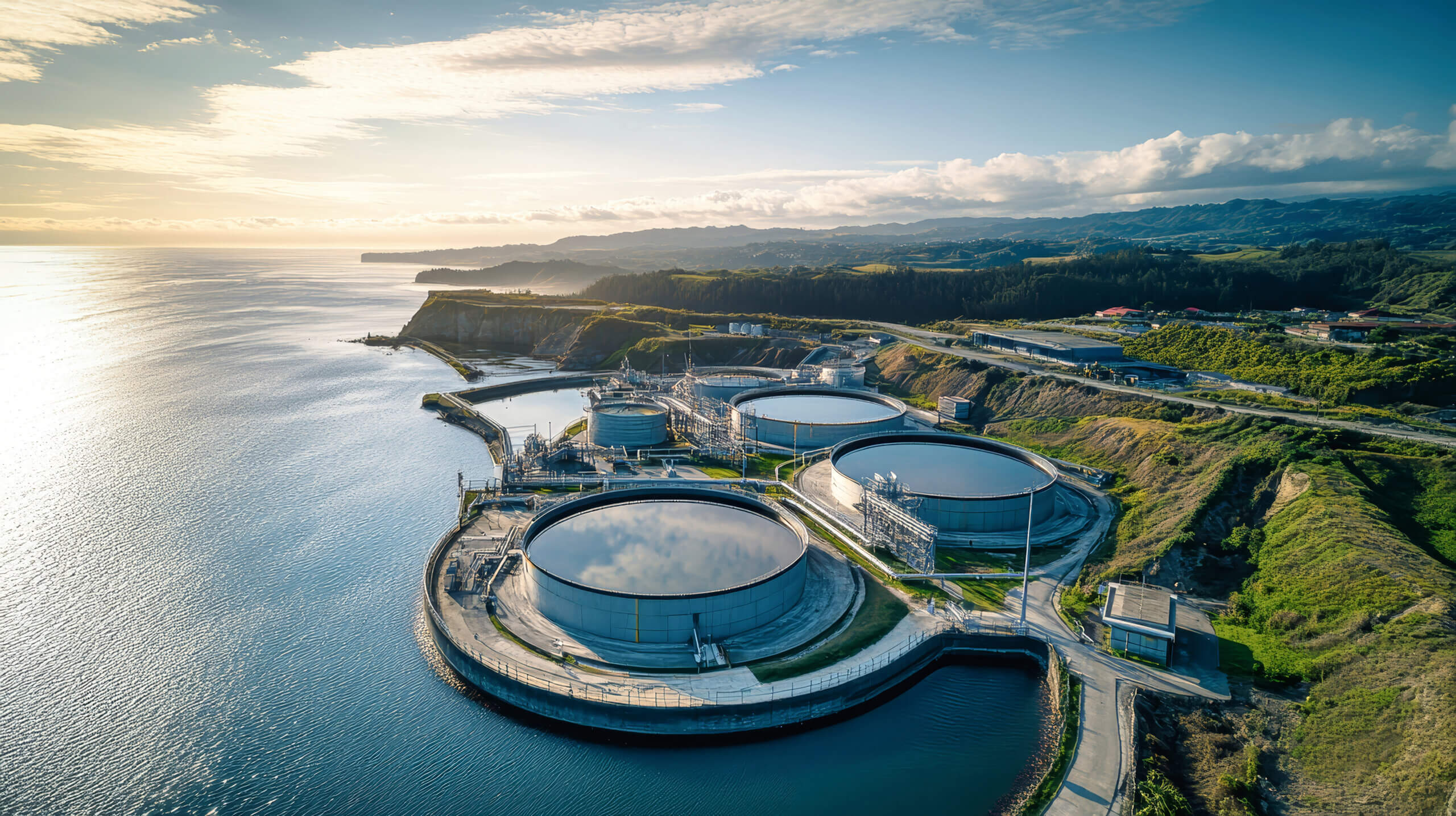

A full-spectrum semester dedicated to the urban water cycle: stormwater, drinking water networks, wastewater collection and sanitation, environmental assessment and regulation, and an integrated project. This semester is inspired by the expertise developed in Builders specialised water programmes, adapted to the format and intensity of a 30-ECTS international semester.
· Students with a background in Civil Engineering, Water Engineering, Environmental Engineering or related fields
· Programme taught in English
· Available as part of the MSc BEI pathway and open to exchange students
· UE1 Urban Hydrology and Stormwater Management — 60.0 h · 5 ECTS
· UE2 Drinking Water Supply and Distribution Networks — 60.0 h · 5 ECTS
· UE3 Wastewater Collection and Sanitation Systems — 60.0 h · 5 ECTS
· UE4 Multi-Utility and Transport Networks for Sustainable Cities — 50.0 h · 5 ECTS
· UE5 Environmental Assessment and Regulation for Water Projects — 40.0 h · 5 ECTS
· UE6 Integrated Project Sustainable Water and Transport Systems — 60.0 h · 5 ECTS
Same validation rule (0–20; module average ≥10/20; equal weight in a module).
Module learning goals
Model rainfall-runoff and design stormwater strategies combining engineering performance and sustainable solutions.
1.1. Rainfall Runoff and Urban Hydrology Basics — 12.0 h
Expected Learning Outcomes
· Explain rainfall-runoff mechanisms in urban catchments
· Identify key parameters driving peak flow and volume Content
Urban hydrology fundamentals, catchment response, and engineering interpretation of rainfall events.
1.2. Urbain Drainage and Sustainable Stormwater Solutions — 24.0 h
Expected Learning Outcomes
· Compare drainage strategies and sustainable solutions
· Select appropriate measures for a given context Content Drainage logics, sustainable stormwater approaches, sizing rationale and performance checks.
1.3. Modelling Workshop and Case Study — 24.0 h
Expected Learning Outcomes
· Build and interpret a simple stormwater model
· Translate modelling outputs into design recommendations Content Hands-on modelling, scenario testing, and decision-oriented outputs for a case study.
Module learning goals
Design and assess drinking water networks from demand to operation, including performance and asset considerations.
2.1. Water Demand Resource and Service Levels — 18.0 h
Expected Learning Outcomes
· Define demand, resource constraints and service indicators
· Translate service levels into design requirements Content Demand patterns, resource constraints, service targets and reliability logic.
2.2. Hydraulic Design and Network Modelling — 24.0 h
Expected Learning Outcomes
· Explain the basics of network hydraulic sizing
· Interpret modelling results to improve design choices Content Hydraulic principles, modelling logic, pressure/flow constraints and design iterations.
2.3. Operation Leakage Management and Asset Performance — 18.0 h
Expected Learning Outcomes
· Identify leakage drivers and performance indicators
· Propose operational actions to improve network performance Content Operation basics, leakage and losses, monitoring logic and asset performance reasoning.
Module learning goals
Understand sewer systems hydraulics and design, with a focus on rehabilitation and integrated sanitation strategies.
3.1. Hydraulics of Sewer Systems — 18.0 h
Expected Learning Outcomes
· Describe flow behaviour and constraints in sewer networks
· Recognise design drivers impacting capacity and overflow risks Content Sewer hydraulics basics, capacity logic and operational constraints.
3.2. Design and Rehabilitation of Sewer Networks — 24.0 h
Expected Learning Outcomes
· Identify rehabilitation options and decision criteria
· Propose a coherent approach to network upgrading Content Rehabilitation methods, prioritisation, constraints and design integration.
3.3. Urban Sanitation Strategies and Integrated Management — 18.0 h
Expected Learning Outcomes
· Compare sanitation strategies at city scale
· Integrate technical, operational and environmental constraints Content Integrated sanitation planning, service logic, and system-level trade-offs.
Module learning goals
Coordinate water with other urban networks and plan corridors that remain buildable, maintainable and resilient.
4.1. Case Studies Workshop — 14.0 h
Expected Learning Outcomes
· Analyse a real project context and constraints
· Extract transferable lessons for design decisions Content Case-based learning focused on network coordination and project constraints.
4.2. Planning of Water Energy and Transport Corridors — 18.0 h
Expected Learning Outcomes
· Structure corridor planning from needs and constraints
· Identify conflicts and propose coordination rules Content Corridor planning principles, interface management and spatial constraints.
4.3. Design of Multi utility Corridors and Distribution Systems — 18.0 h
Expected Learning Outcomes
· Propose a corridor layout compatible with constructability
· Anticipate operation and maintenance constraints Content Design logics, interfaces, access/maintenance constraints and practical layout reasoning.
Module learning goals
Understand environmental assessment and regulation to secure project approvals and design robust mitigation strategies.
5.1. Environmental Law and Permitting — 14.0 h
Expected Learning Outcomes
· Identify key permitting steps and compliance requirements
· Anticipate regulatory constraints early in design Content Permitting logic, regulatory constraints and integration into project schedules.
5.2. Environmental Impact Assessment and Public Consultation — 14.0 h
Expected Learning Outcomes
· Explain EIA objectives and typical deliverables
· Structure a consultation approach for a water project Content EIA logic, stakeholder engagement and communication constraints.
5.3. Risk Resilience and Climate Change Adaptation — 12.0 h
Expected Learning Outcomes
· Identify climate risks impacting water systems
· Propose adaptation options and resilience measures Content Risk reasoning, resilience strategies and adaptation pathways.
Module learning goals
Deliver a complete applied project integrating hydrology, networks, and regulatory constraints.


